Why Don’t You Ever Yell At Us?
The short answer to my 11 year old’s question isn’t because I have an extraordinary amount of patience. It’s because I’ve learned to see the moment in front of me for what it actually is.
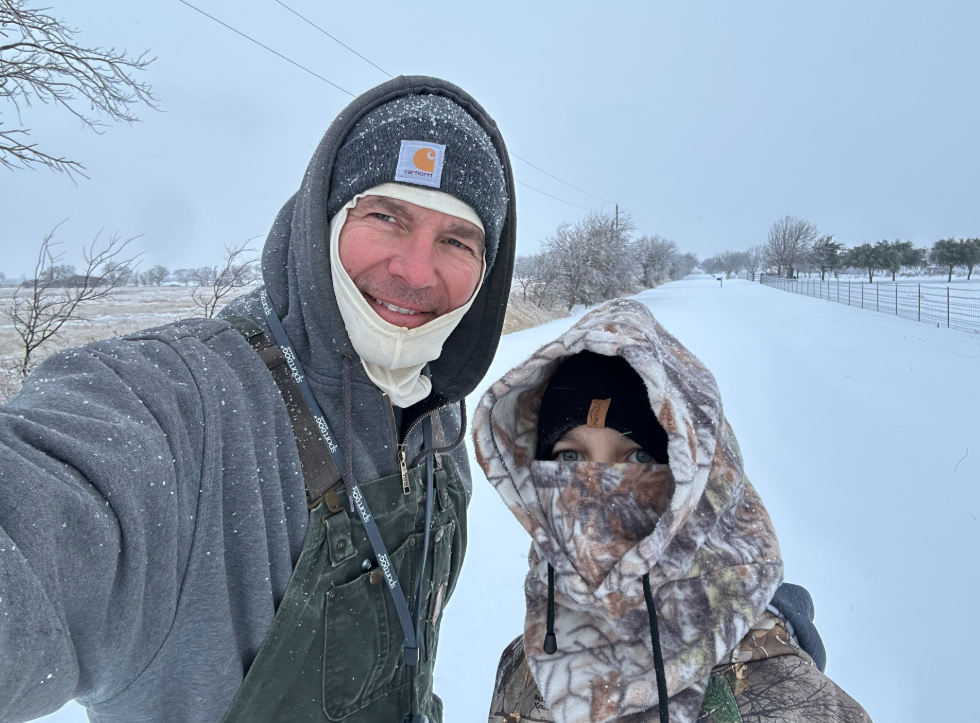
We were 30 minutes into our frigid, ice-packed walk. The Saturday afternoon adventure took us by foot away from our house and down a quiet path toward our neighbor’s house in the country. Our goal: to Danny’s house and back. It was 2 p.m., dark, overcast, windy, and around 14 degrees. Our younger boys were begging, “Let’s see if we can do it!”
With the exception of a slightly raised, five-foot-wide crowned area in the middle of the road, our path was no longer visible. We were going to have to grit our teeth.
We were covered head to toe with layers of coats, hats, gloves, and overalls. Our eyes—squinting toward the blowing sleet—and the upper bridge of our noses were the only body parts exposed.
We arrived at the halfway, turn-around spot cold and ready to retreat. The wind had been blowing directly at our faces the first half of our adventure. Our fingers and toes stung, but we weren’t giving up on our quest. There was a determined joy—a can-do spirit—between us.
We knew once we turned around, we were home free. The wind and blowing sleet would be at our backs.
As we turned toward home, the tone changed from “this is completely miserable” to “this is SO fun.” Conversation increased. Laughter broke out. Jokes were shared. We were finally able to concentrate on more than just survival.
We had transitioned from DEFENSE to OFFENSE.
That’s when Eli asked out of the blue, “Why don’t you ever yell at us?”
I thought for a moment. It was an interesting question given the circumstance.
I rarely, if ever, yell—but it’s not because I have an extraordinary amount of patience. And I wondered why the question had come to his mind now.
I quickly responded, “Because I don’t think yelling does much good.”
Eli was silent, but I knew he needed more.
I continued.
“If you do something that frustrates me—and you do—it’s rarely something that will matter 30 minutes from that moment. Like when you decided to eat a bowl of cereal ten minutes before dinner. In the big picture, what difference did it really make?
I’d prefer to tell you why it wasn’t the healthiest decision, in hopes you make a different one next time. I don’t want to burn energy on something that isn’t that important, especially when I know you understand.”
Eli thought, then asked, “But what if it really matters? Like for a long time?”
I remembered how much I love when kids make us think.
“If you do something wrong that will matter long-term—like it still matters five years from now—what good will yelling at you today do? Even if it means you, me, or others have to suffer for a while because of your decision, is yelling going to make it better today? Probably not.”
He needed an example.
“Let’s say you decided to steal Danny’s truck last night and drove it through a fence. Yelling at you today isn’t going to make that issue go away. It’s not going to make you, me, or Danny feel any better—probably worse. It’s not going to change the wrecked truck or fence. We just need to apologize, find a way to fix everything, and make better decisions in the future. And fixing the situation will happen more quickly if we’re not mad at each other.”
I think he understood, but he fired back anyway. “So when would you yell at us?”
“If you were two years old, and we were standing at a busy street corner, and you broke free from holding my hand and ran into the street—then I would yell. I might have the ability to scare you into coming back to me.”
I don’t avoid yelling because I don’t feel frustration.
I avoid it because most moments don’t require scaring someone—they require clarity, thought and a relationship.
Yelling puts us on the defense.
A relationship puts us on the offense.
And life is better lived on the offense.
Remain encouraged,
Brian