Encouraging Offense
Their supervisor, operating with an irritated tone, doesn’t realize you can't scare someone into doing better work.
I notice it everywhere now. People…some on offense…yet so many on defense.
Parents, teachers, business owners, sales people, coaches, even friends, insecure about their own performance, snapping at staff, children, spouses, students, or players about missed expectations.
I’m sitting in a hotel lobby as I write this. A supervisor is correcting a front-desk employee for being nervous on the phone. What’s obvious to me is that the staff member already feels insecure. Their supervisor, operating with an irritated tone, doesn’t realize you can't scare someone into doing better work.
It’s sad. And I believe it's a growing epidemic.
So what exactly is happening?
When people feel unsafe, their breathing becomes quick and shallow.
When people feel safe, their breathing slows. Their thinking clears. They see options instead of threats. They communicate with confidence and creativity. When people exhale, they start becoming more of the person they’re capable of being.
We see this naturally in children. When kids feel safe, they share freely, play openly, and confidently explore the world without fear. (Don’t we all want this for all of our kids?)
Adults aren’t any different.
When we’re afraid…of getting punished, not measuring up, or being seen as “less”—we cannot show up as our best selves. It’s impossible to scare someone into their best self.
A good friend of mine feeds his cows every evening around five. We see him pass our house in his feed truck, moving slowly, never rushed. Sometimes he’s alone, sometimes his son rides along. There are no deadlines out there. No threats. No noise. Just pasture and peace.
It feels like one deep breath. And in that moment, he’s the best version of himself.
Think about your teenager who comes home from school and immediately “hides” in their room. Let’s try and understand—they’ve just spent eight hours surrounded by threats. Words from peers. Eye rolls. Grades. Tests. Comments from teachers, coaches, or friends—some of which intentionally (or unintentionally) press them onto defense.
Don’t we, adults, respond to constant threats the same way? A quiet house, locked doors, blinds pulled.
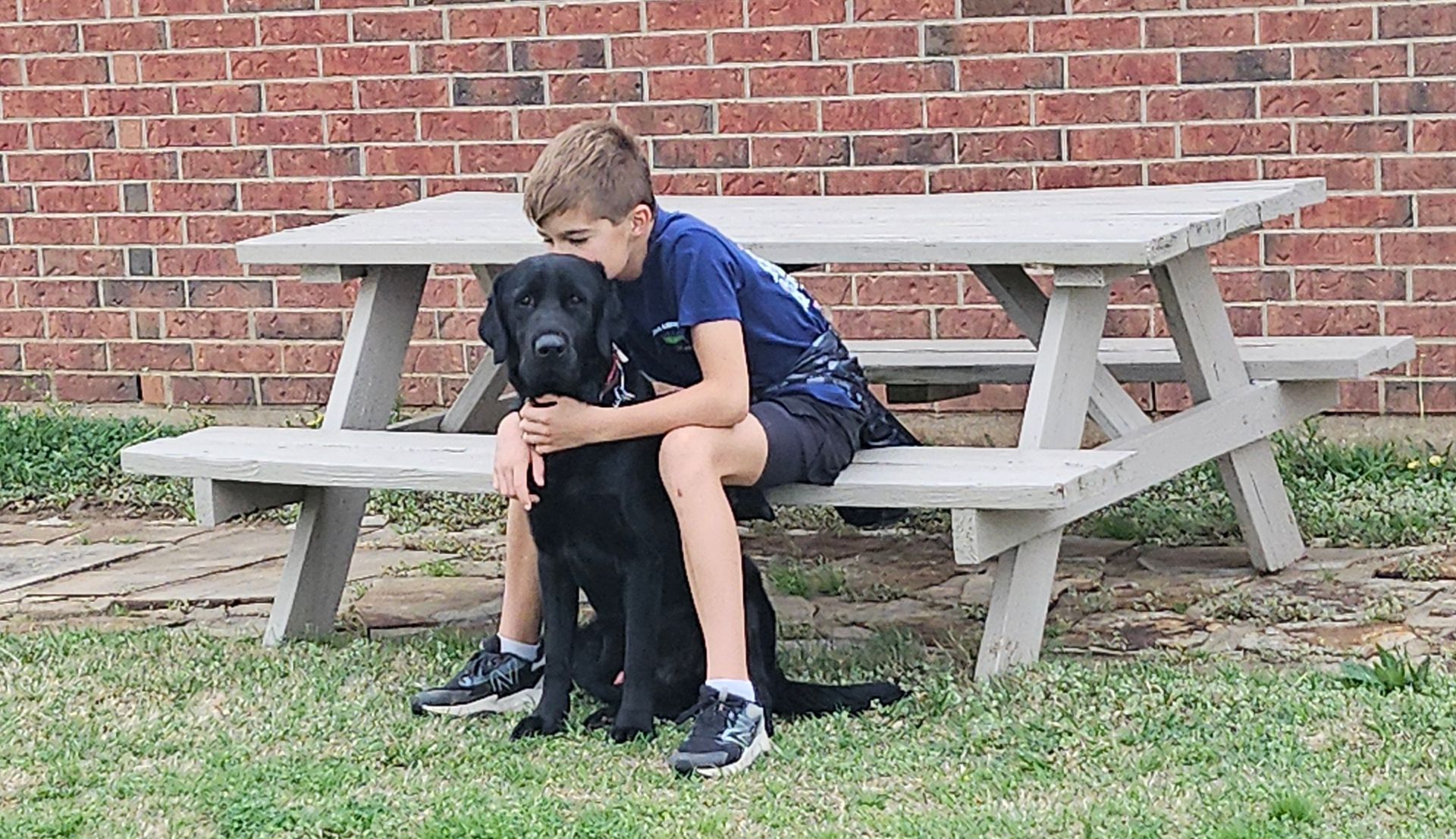
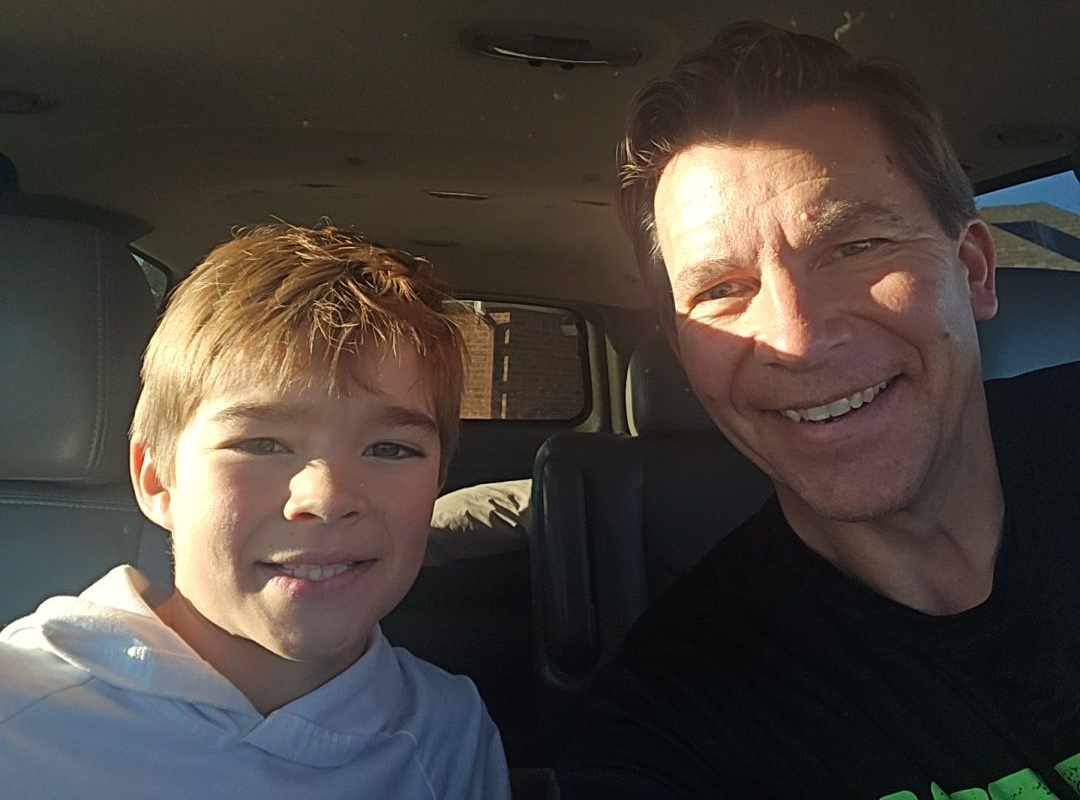
The other day, Eli, 11, told me how much he loves his teachers. I discovered, it wasn’t because of lessons, grades, candy or free time.
“They just love us so much,” he said. “I can tell them anything.”
He feels safe.
His teachers have removed the bears, disease and famine—the loud noises, threats, discouragement, judgement and flashing lights. They’ve created space for him to take risks, like raising his hand when he’s unsure. They’ve handed him the ball and trusted him to bring it down the court—even when all eyes are on him.
That’s why I work hard not to yell, threaten, or discourage. I know it will never lead to progress.
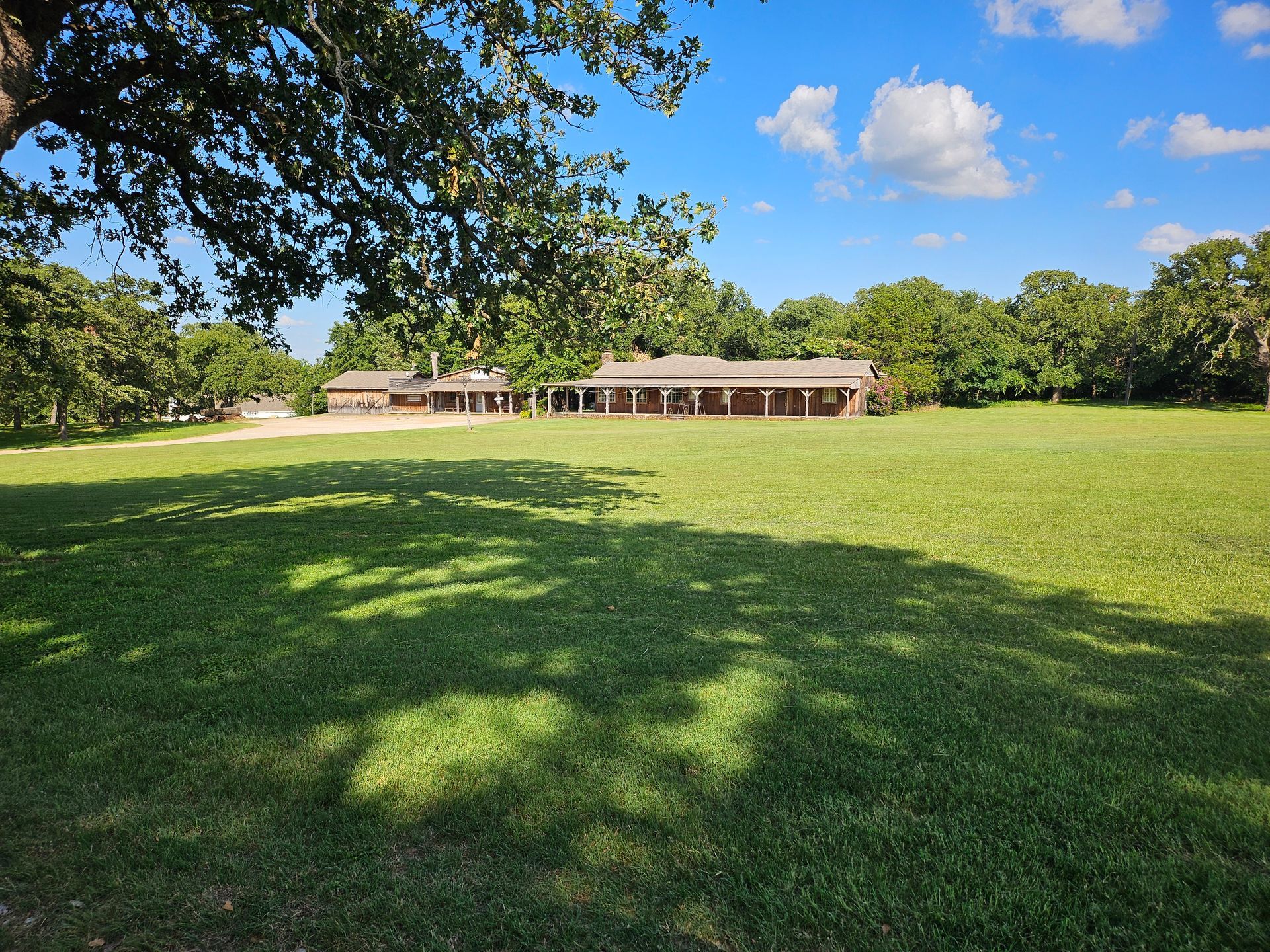
It’s why Lone Oak intentionally creates peace, quiet, and safety with our retreats, for our RV & hotel guests, and for field trip attendees.
I love the offense.
Encouragement isn’t passive.
It’s fuel.
It’s ignition.
It’s what gives people the courage to act.
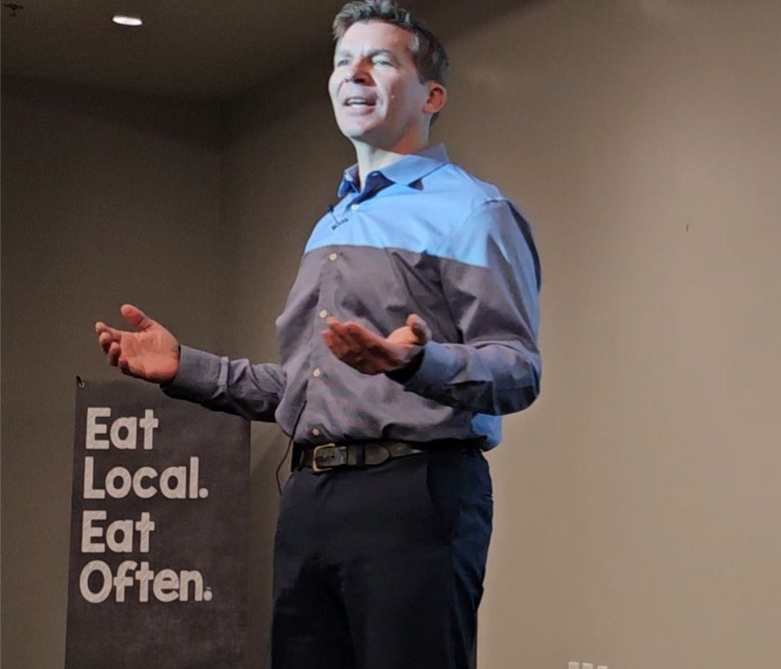
I speak, write, and coach on this almost daily. I want to reduce threats and help more people live on the offense—at home, at work, and within themselves.
If your home, school, or organization feels like it’s stuck on defense, I’d love to help change that.
If there are more threats than courage where you live or lead, let’s talk. A more courageous world can start with a single conversation.
Remain encouraged,
Brian